
Sweepstakes Casino KYC and Verification: Complete 2026 Guide
 Available in GB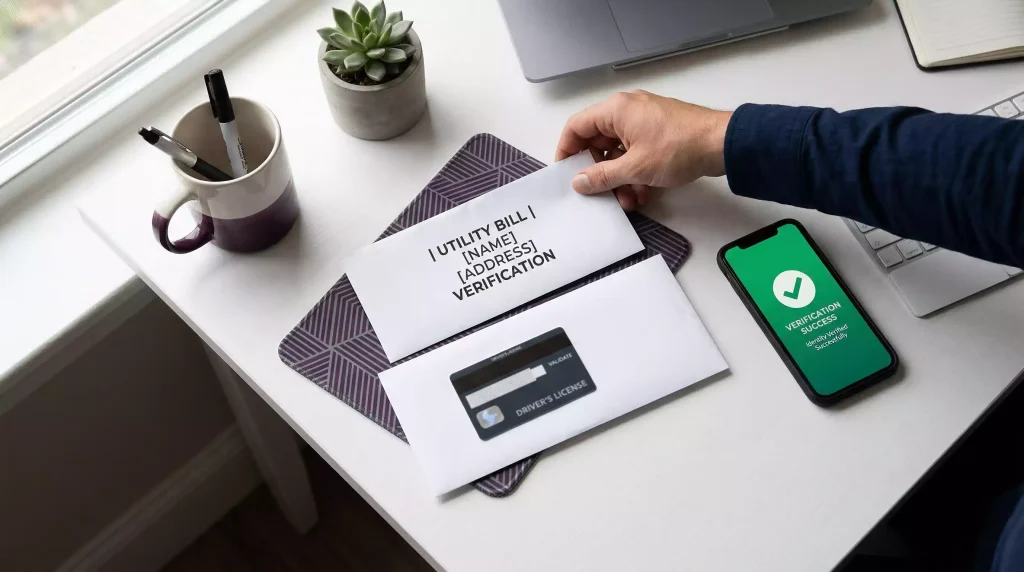
Why Verification Is Required
Account verification at sweepstakes casinos exists in an interesting regulatory gray zone. These platforms operate outside the licensing frameworks that govern traditional online gambling, yet they’ve adopted Know Your Customer protocols that mirror—and in some cases exceed—what regulated casinos require. The reasons are practical rather than purely legal.
The first driver is prize redemption. When you convert Sweeps Coins to cash prizes, money changes hands. Payment processors, banks, and financial intermediaries need assurance that funds aren’t flowing to minors, fraudsters, or sanctioned individuals. Without verification, these financial partners simply won’t work with sweepstakes operators. The alternative—operating outside mainstream payment networks—isn’t viable for platforms seeking long-term legitimacy.
The second driver is the intensifying regulatory scrutiny facing the industry. During 2026, more than 100 class action lawsuits were filed against sweepstakes casino operators, with plaintiffs arguing that these platforms constitute illegal gambling. The stakes are substantial: the sweepstakes market generated gross revenues exceeding $10.6 billion in 2026, operating across more than 35 states—compared to just seven states where regulated iGaming is available. Meanwhile, an estimated 9 million Americans are affected by problem gambling, according to the National Council on Problem Gambling. Robust KYC procedures help operators demonstrate good-faith compliance with consumer protection standards, even absent formal licensing requirements.
For players, verification represents a trade-off: privacy and convenience sacrificed for the ability to actually withdraw winnings. Understanding how the process works—what’s required, when, and why—demystifies what can otherwise feel like an invasive bureaucratic obstacle. The verification experience varies significantly across platforms, but the underlying principles remain consistent.
“These illegal operations exploit consumer confusion and threaten to undermine the public trust we have built over many years,” observed Bill Miller, President and CEO of the American Gaming Association, commenting on sweepstakes operations that lack the regulatory oversight applied to licensed casinos. Whether you view sweepstakes casinos as legitimate entertainment or a regulatory loophole, their verification processes exist partly in response to such criticism.
Types of Verification: Levels and Requirements
Most sweepstakes casinos implement tiered verification systems, unlocking progressively more functionality as players provide additional documentation. This graduated approach balances user friction—nobody wants to submit a passport scan just to claim a daily bonus—with the compliance requirements necessary for prize redemptions and large transactions.
Level 1: Basic Account Access
Creating an account typically requires only an email address and, in most cases, a phone number for SMS verification. This level grants access to the platform, allows you to play with Gold Coins, and usually unlocks daily login bonuses. You can accumulate Sweeps Coins at this tier, but you cannot redeem them. Many players remain at Level 1 indefinitely, either because they’re playing purely for entertainment or because they haven’t accumulated enough SC to justify the redemption process.
Basic verification establishes your identity thinly: an email you control and a phone number in your possession. It’s sufficient for the platform to communicate with you and provides a minimal barrier against bot accounts, but it tells the operator little about who you actually are.
Level 2: Identity Verification
Before first redemption, most platforms require government-issued photo identification. This typically means uploading a clear photo or scan of your driver’s license, state ID, or passport. The document must be current, legible, and show your face clearly. Some platforms accept photos taken with a smartphone; others require scanned documents.
The purpose at this tier is straightforward: confirming you are who you claim to be and that you meet minimum age requirements. Nearly all sweepstakes casinos require players to be at least 18, and some platforms operating in states with higher age thresholds require 21+. Your submitted ID gets cross-referenced against the name and birthdate you provided during registration.
Level 3: Address and Enhanced Verification
For larger redemptions or upon platform request, you’ll need to verify your physical address. Acceptable documents include utility bills, bank statements, or government correspondence dated within the past 60-90 days. The address on these documents must match your registered account address exactly—minor discrepancies like “Street” vs “St.” can trigger rejection.
Enhanced verification may also include a selfie taken in real-time, sometimes with specific requirements like holding your ID next to your face or writing the current date on a piece of paper. These measures combat document fraud and ensure the person submitting documents is the same person who owns them.
Level 4: Source of Funds
Platforms may request source-of-funds documentation when transaction patterns suggest elevated risk: large purchase volumes, rapid redemptions, or account activity inconsistent with stated occupation. At this level, you might need to provide pay stubs, tax returns, or bank statements showing the origin of funds used for Gold Coin purchases. This tier is rare for typical players but common for high-volume participants.
Documents You’ll Need
Gathering verification documents before you need them prevents frustration when you’re ready to redeem. Most documents are things you already have; the challenge is ensuring they meet the specific formatting and quality requirements platforms demand.
Primary Identification
The cornerstone of verification is a valid government-issued photo ID. Accepted documents typically include:
A driver’s license issued by any US state remains the most commonly submitted document. It must be unexpired, with all four corners visible in your photo and text clearly legible. Temporary paper licenses issued while awaiting permanent cards are generally not accepted.
State ID cards work equivalently to driver’s licenses for verification purposes. They’re particularly useful for players who don’t drive but need government-issued identification.
US passports or passport cards satisfy verification requirements and are often processed faster than state-issued IDs because their format is standardized nationwide. If your driver’s license is nearing expiration, consider submitting your passport instead.
Proof of Address
Address verification requires a recent document—usually within 90 days—that shows both your full name and residential address. Platforms typically accept utility bills covering electricity, gas, water, or internet service. Bank statements or credit card statements with your address printed on them work as well. Government correspondence, including tax documents or official letters, often qualifies.
The address on your proof document must precisely match your registered account address. If you’ve moved recently, update your account address before submitting documents, or wait until you receive mail at your new address that you can use as proof.
Supplementary Documents
Some verification scenarios require additional materials. A selfie holding your ID provides biometric confirmation that you possess the submitted documents. Financial statements may be needed if you’re flagged for enhanced due diligence. Notarized documents are occasionally requested for complex situations like name changes or discrepancies between ID and address documents.
Document Quality Guidelines
Poor document quality causes more rejections than any other factor. When photographing documents, ensure even lighting without glare or shadows. All four corners must be visible within the frame. Text should be sharp enough to read when zoomed. File formats should be JPEG or PNG; PDFs work for scanned documents. File sizes typically need to fall between 100KB and 10MB—too small suggests low resolution, too large may fail to upload.
Step-by-Step Verification Process
While specific interfaces vary between platforms, the verification workflow follows a predictable sequence. Walking through each stage beforehand reduces the chance of errors that delay approval.
Step 1: Access the Verification Portal
Navigate to your account settings or profile section. Most platforms label the verification area clearly: “Verify Account,” “KYC,” or “Identity Verification.” Some platforms prompt verification automatically when you attempt your first redemption; others require you to initiate the process manually. If you can’t locate the verification section, check the help documentation or contact support.
Step 2: Confirm Personal Information
Before submitting documents, you’ll typically need to confirm or update your personal details: legal name, date of birth, residential address. Ensure this information exactly matches your documents. A common mistake: registering with a nickname or informal name variant, then submitting ID with your legal name. “Mike Smith” and “Michael Smith” will flag a mismatch.
Step 3: Upload Primary ID
Select your ID type and upload a clear image. Some platforms use webcam capture, requiring you to align your document within an on-screen frame. Others accept file uploads from your device. If submitting a two-sided ID like a driver’s license, you’ll need to capture both front and back. Wait for the upload confirmation before proceeding—interrupted uploads are a frequent cause of failed submissions.
Step 4: Complete Selfie Verification
Many platforms require a real-time selfie to match against your ID photo. This step typically involves using your device’s camera within the platform’s interface. You may be asked to hold your ID next to your face, or to move your head slowly from side to side to prove you’re a live person rather than a photograph. Adequate lighting matters: dim rooms produce rejected selfies.
Step 5: Submit Address Proof
Upload your proof of address document. Ensure the document date is visible and falls within the required recency window. The entire document doesn’t need to fit in a single image—if your statement is multiple pages, you typically only need the page showing your name and address. Some platforms parse uploaded documents automatically; others require manual review.
Step 6: Await Review
After submission, your documents enter a review queue. Automated systems perform initial screening for image quality and document validity. Human reviewers handle cases that automation can’t resolve. Processing times range from under an hour at some platforms to several business days at others. Most platforms send email notifications upon approval or rejection.
Processing Times by Platform
Verification speed varies dramatically across the sweepstakes casino landscape. Some platforms leverage automated document verification systems that return decisions within minutes. Others rely on manual review teams that take days or longer. Understanding typical timelines helps set realistic expectations and informs which platforms to prioritize if time-sensitive redemptions are important to you.
Fast-Track Platforms
The most efficient operators have invested in AI-powered document verification that processes standard submissions almost instantly. If your documents are high-quality and your information matches perfectly, approval can arrive before you finish your next cup of coffee. Platforms with more than 30 million users have the transaction volume to justify sophisticated verification infrastructure, and it shows in their processing speeds.
Standard Processing
Most mid-tier platforms quote 24-72 hours for verification review, though actual times often beat these estimates. Business hours matter: submissions received Friday evening may not be reviewed until Monday. During promotional periods when new player volume spikes, backlogs develop and processing slows. Holiday weeks consistently produce delays across the industry.
Extended Review Scenarios
Certain conditions trigger extended review timelines. Document quality issues requiring resubmission reset the clock. Discrepancies between your submitted information and documents prompt manual investigation. Accounts flagged for any reason—unusual activity patterns, previously suspended accounts at other platforms, high-value transaction requests—receive additional scrutiny.
Players in states where sweepstakes casino legality is contested may experience longer verification times as platforms conduct additional compliance checks. With regulatory pressure intensifying throughout 2026 and states issuing cease-and-desist orders to operators, some platforms have implemented extra geographic verification steps that add time to the process.
Expediting Your Verification
While you can’t force a platform to process faster, you can avoid self-inflicted delays. Submit documents during business hours early in the week. Use the highest quality images you can produce. Double-check that your registered information matches your documents exactly before submitting. If your submission is rejected, read the rejection reason carefully and fix the specific issue rather than resubmitting the same flawed documents.
Some platforms offer priority verification for premium members or purchasers above certain thresholds. If fast verification matters and you’re comfortable making Gold Coin purchases, investigate whether your platform offers expedited review as a benefit.
Common Rejection Reasons and Fixes
Document rejection frustrates players who believe they’ve submitted everything correctly. Understanding why platforms reject submissions—and how to fix specific issues—turns a setback into a minor delay rather than an extended ordeal.
Image Quality Problems
The most frequent rejection cause is simply poor image quality. Blurry photos, glare from flash or overhead lighting, partial document capture, and excessive shadows all trigger automatic rejection. The fix is straightforward: retake photos in diffused natural light, ensure the entire document fits within the frame with small margins, and verify sharpness before uploading. If using a smartphone, clean the camera lens first—accumulated pocket grime causes more rejected photos than most people realize.
Information Mismatch
When your submitted documents don’t match the information in your account profile, verification fails. Common mismatches include name variations, outdated addresses, and transposed numbers in birthdates. Before resubmitting documents, review your account profile and correct any discrepancies. If your legal name differs from what you registered with, update your account information first, then resubmit your ID.
Expired Documents
Submitting an expired ID is an automatic rejection. Check expiration dates before photographing documents. If your license expires soon, consider renewing before starting verification, or submit an unexpired passport instead. For address proof, confirm your document falls within the required recency window—most platforms require documents dated within the past 60-90 days.
Document Type Not Accepted
Platforms specify which documents they accept, and submissions outside those parameters are rejected regardless of quality. A foreign passport might not be accepted for US-based redemptions. A photo utility bill app screenshot might fail where only official statements are approved. Read the verification requirements carefully and submit only accepted document types.
Selfie Verification Failures
Selfie rejections typically result from poor lighting, eyewear obstructing face recognition, or the camera failing to detect “liveness.” Remove glasses and hats. Position yourself facing a light source. If the platform requires you to turn your head or blink, follow instructions precisely—these checks prevent photo spoofing.
Address Document Issues
Your proof of address must clearly show both your name and address. Statements with address information on a second page, documents where the address appears in small print, or bills from accounts not in your name all cause rejections. If you don’t have suitable documentation, request a letter from your bank or utility provider specifically stating your name and address—these are often accepted and produced on demand.
Verification for Redemption vs. Login
With the mechanics of verification clear—what to submit, how to fix rejections, how long it takes—a strategic question remains: when should you actually complete this process? The answer depends on understanding exactly which platform actions require verification and which don’t.
What You Can Do Without Verification
Unverified accounts can typically create an account and complete basic email and phone confirmation, log in and claim daily bonuses, play games using Gold Coins and Sweeps Coins, accumulate SC balance over time, and participate in most promotional offers. These activities don’t require proof of identity because no money or prizes are changing hands. You’re essentially playing with promotional currency, and the platform has no compliance obligation to verify who you are for this activity.
What Requires Verification
Verification becomes mandatory when you attempt to redeem Sweeps Coins for prizes. At that point, value transfers from the platform to you, invoking payment processor requirements and the platform’s own compliance policies. Some platforms also require verification before larger Gold Coin purchases, particularly when payment methods require identity confirmation.
Certain account actions beyond redemption may also trigger verification requests: changing registered email addresses, updating payment methods, or recovery of accounts flagged for suspicious activity. These verification requirements protect against unauthorized access rather than satisfying financial compliance.
The Strategic Case for Early Verification
While you could wait until redemption to verify, doing so creates risk. Document processing takes time. If your first submission is rejected, resubmission and re-review extend the wait further. Meanwhile, your redeemable SC sits inaccessible in your account.
Verifying early—before your balance reaches redemption thresholds—eliminates timing pressure. You can address any document issues leisurely. If a platform requests additional documentation, you have time to gather it. When you finally decide to redeem, your account is already cleared for withdrawal and processing begins immediately.
Additionally, some platforms unlock benefits for verified accounts: enhanced daily bonuses, access to exclusive promotions, or priority support. Verifying early captures these benefits across your entire playing history rather than just the period after redemption.
Verification Across Multiple Platforms
If you play on multiple sweepstakes casinos, verification must be completed separately on each platform. Document requirements are similar but not identical. Some platforms accept documents others reject. The good news: once you’ve successfully verified on one platform, you know your documents meet industry standards and can confidently submit to others.
Privacy and Data Security Concerns
Submitting government ID and financial documents to an entertainment platform reasonably triggers privacy concerns. The sweepstakes casino industry operates outside traditional gaming regulatory frameworks, which means the oversight that governs data handling at licensed casinos doesn’t automatically apply.
Platforms typically address this through privacy policies that outline how submitted documents are stored, processed, and eventually destroyed. Reading these policies before submission—and confirming that your documents won’t be retained indefinitely or shared with third parties beyond verification processors—provides baseline assurance. That said, privacy policies are only as good as the company’s willingness to honor them.
What Platforms Do With Your Data
Legitimate operators encrypt submitted documents in transit and at rest. Third-party verification services—companies specializing in identity confirmation—often handle the actual document review, meaning your ID images may be processed by parties other than the casino itself. After verification is complete, reputable platforms delete document images while retaining only the verification result: a record that you’ve been verified, not the documents themselves.
This is notably different from regulated iGaming operations, which generated $8.41 billion in revenue during 2026 under licensing frameworks that mandate specific data protection standards. Sweepstakes casinos aren’t subject to those mandates, though many adopt similar practices voluntarily.
Risk Mitigation
If privacy concerns weigh heavily, limit your verification to one or two established platforms rather than spreading your documents across every sweepstakes casino available. Larger operators with longer track records have more to lose from data breaches and typically invest more heavily in security infrastructure. Newer, smaller platforms may offer attractive bonuses but represent higher data risk.
Consider the alternative method of entry as a privacy-preserving option. Sweepstakes casinos legally must offer free entry mechanisms—typically mail-in requests for Sweeps Coins. These don’t require identity verification for participation, only for redemption. If you’re uncomfortable verifying, playing exclusively through free entry channels until you’ve accumulated enough SC to justify the verification trade-off remains an option.
The Industry Trust Deficit
The American Gaming Association has characterized sweepstakes operators as having “weak (if any) responsible gaming protocols and few, if any, self-exclusion processes.” This critique extends to data protection: without regulatory mandates, data handling standards are self-imposed and inconsistent across the industry. Players should approach verification pragmatically—accepting it as necessary for redemption while remaining appropriately skeptical about long-term data stewardship.
Conclusion
Verification isn’t the most exciting part of sweepstakes casino gaming, but it’s the unavoidable bridge between accumulating Sweeps Coins and actually converting them to cash prizes. The players who approach verification strategically—gathering documents in advance, submitting early, addressing rejections methodically—experience minimal friction when redemption time arrives.
The process itself mirrors what you’d encounter at any financial institution or regulated gaming platform. Government ID confirms your identity. Proof of address confirms your location. Selfie verification confirms you possess your own documents. Nothing being requested is unusual; the context is simply different than what most people expect from entertainment platforms.
Complete verification before you need it. Store clear copies of your documents where you can access them for future platforms. Read rejection reasons carefully rather than blindly resubmitting. And understand that while verification introduces friction, it also represents the platform’s attempt to operate within legitimate financial systems—a trade-off that, despite its inconveniences, enables the prize redemption that makes sweepstakes casinos worth playing in the first place.
Sweepstakes Casino KYC and Verification — More on this topic at sweepstakes casino login.
See also Can’t Login to Sweepstakes Casino? Troubleshooting Guide 2026.